Cleft Lip
Cleft lip is a congenital opening in the upper lip that occurs when the tissues forming the lip do not completely join during fetal development. It may affect one side or both sides and can occur alone or together with a cleft of the gum or palate. Early assessment helps determine the type of cleft, feeding needs and appropriate timing of surgical repair.
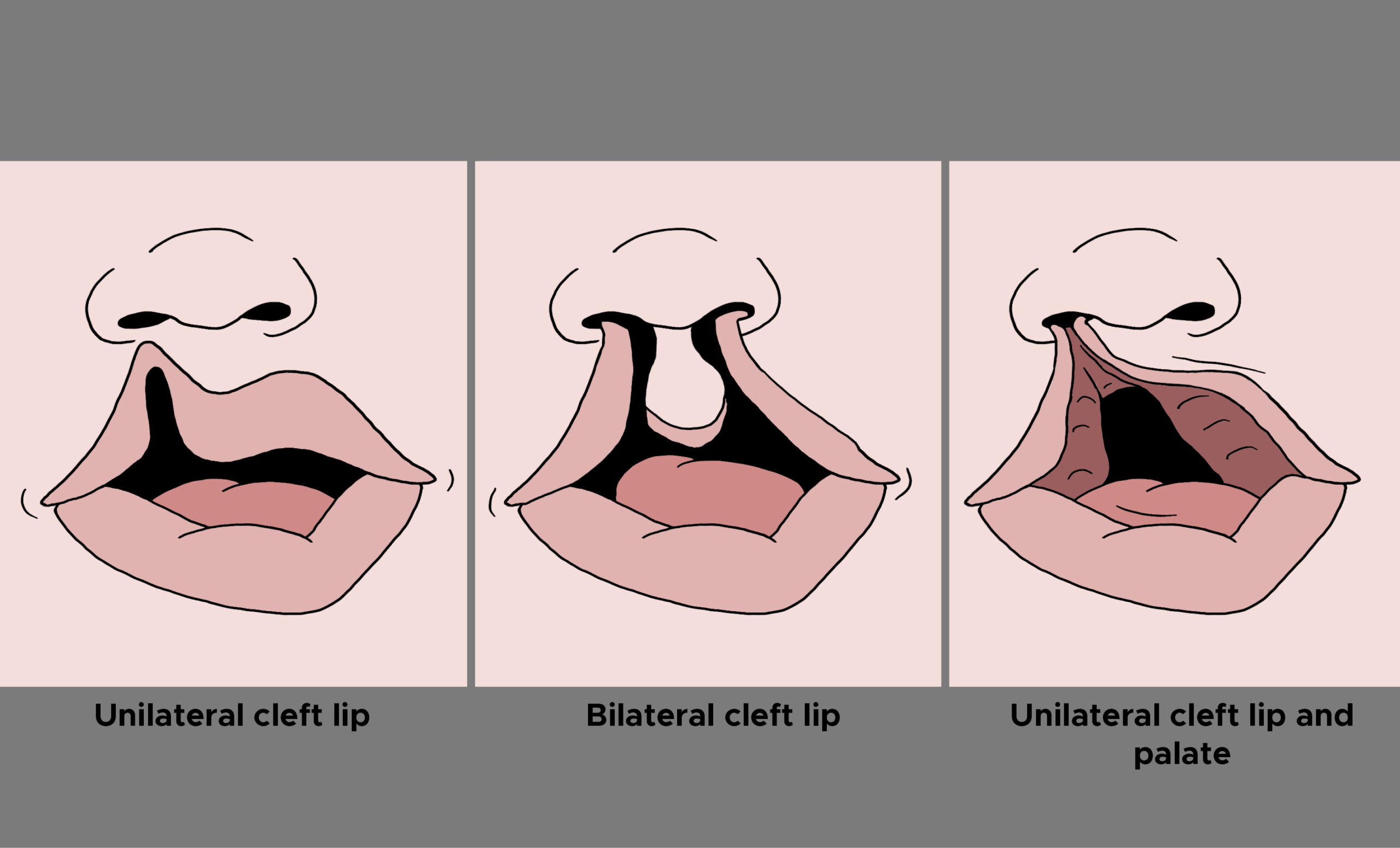
Overview
The upper lip forms early in fetal development when facial tissues grow toward one another and join.
When this fusion is incomplete, an opening remains in the upper lip. This is known as cleft lip.
The cleft can range from a small notch in the lip to a complete separation extending into the nostril.
It may occur:
• On one side of the lip.
• On both sides.
• Together with a cleft of the gum line.
• Together with cleft palate.
• Or as an isolated cleft lip without palatal involvement.
Treatment and long-term follow-up depend on the type and extent of the cleft and whether the palate or alveolus is also involved.
A congenital opening in the upper lip
May be unilateral or bilateral
Usually during the first few months according to the child's condition
May include the nose, teeth, jaw and speech depending on the cleft
What is Cleft Lip?
Cleft lip is an opening or separation in the tissues of the upper lip that is present from birth.
The cleft may be incomplete and involve only part of the height of the lip, or complete and extend upward into the base of the nose.
A unilateral cleft affects one side of the upper lip.
A bilateral cleft affects both sides of the central portion of the lip.
The cleft may also extend through the alveolus, which is the gum-bearing bone containing the developing front teeth.
Whether cleft palate is also present is important when planning treatment because children with palatal involvement may have additional feeding, hearing and speech needs.
Causes
For most children, there is no single identifiable cause of cleft lip.
The condition develops when facial tissues do not completely join during the early weeks of pregnancy.
Orofacial clefts are thought to result from a combination of factors that can include:
• Genetic influences.
• Factors affecting fetal development.
• Certain maternal health or environmental factors during pregnancy.
Cleft lip may occur as an isolated condition.
In other children it occurs together with cleft palate or as part of a genetic syndrome or another condition.
The presence of cleft lip alone does not mean that a syndrome is present, but further assessment may be recommended if additional findings are identified.
Diagnosis and Assessment
Cleft lip can sometimes be identified before birth during prenatal ultrasound.
After birth, diagnosis is usually apparent on physical examination.
Assessment determines:
• Whether the cleft is unilateral or bilateral.
• Whether it is complete or incomplete.
• The degree of lip and nasal involvement.
• Whether the alveolus is involved.
• Whether cleft palate is also present.
• Feeding ability and growth.
• Whether other congenital findings are present.
The palate should be examined even when the visible cleft appears limited to the lip because associated cleft palate significantly changes feeding and long-term care requirements.
Feeding After Birth
Many babies with isolated cleft lip and an intact palate can breastfeed or bottle-feed successfully.
Some may need adjustments in positioning or assistance in creating an effective seal around the breast or bottle nipple.
When cleft palate is also present, the baby may have difficulty generating normal suction and may require a specialized feeding bottle or nipple.
Early feeding assessment focuses on:
• Adequate milk intake.
• Weight gain and growth.
• Length and efficiency of feeds.
• Excessive fatigue during feeding.
• Whether specialized feeding support is required.
Feeding needs vary according to the anatomy of the cleft and should be individualized for each baby.
Treatment
The primary treatment for cleft lip is surgical repair.
Repair is usually performed during the first few months of life once the child's growth and general medical condition are appropriate for surgery and anesthesia.
Many cleft centers perform primary lip repair at approximately 3 to 6 months of age, although the final timing is individualized.
The goal of surgery extends beyond simply closing the visible opening.
Repair aims to:
• Reconnect and realign the muscles of the upper lip.
• Reconstruct the shape of the lip.
• Improve symmetry around the nostril.
• Rearrange tissues to restore appropriate lip function.
• Address cleft-related nasal deformity when appropriate.
Different surgical techniques are available.
The surgeon selects an approach according to whether the cleft is unilateral or bilateral, its extent, nasal anatomy and the available tissues.
Primary nasal correction may also be performed at the time of lip repair in selected children.
Does Treatment End After the First Operation?
Primary cleft lip repair is an important early stage of treatment, but it is not necessarily the final treatment required for every child.
Long-term needs depend on the type of cleft and whether the alveolus or palate is also involved.
Follow-up may include assessment of:
• Lip and nasal growth.
• The surgical scar.
• Dental development.
• Growth of the upper jaw.
• Orthodontic needs.
• Speech when cleft palate is also present.
• Whether future revision surgery is appropriate.
Children whose cleft extends through the gum line may require dental, orthodontic or additional surgical treatment later in childhood.
Some children may eventually benefit from revision of the lip, scar or nose.
The need for an additional procedure does not necessarily mean that the original repair was unsuccessful. Facial structures continue to change as the child grows.
Before Surgery
Before cleft lip repair, the medical team assesses the child's growth, general health and cleft anatomy.
Parents should follow the team's instructions regarding fasting and medication before anesthesia.
The medical team should be informed if the child:
• Develops a fever.
• Has a new cough or respiratory infection.
• Takes regular medication.
• Has medication allergies.
• Has a known bleeding problem.
• Has another medical condition that could affect anesthesia or surgery.
Before surgery, parents may discuss:
• The type and extent of the cleft.
• The proposed repair technique.
• Whether nasal correction will be performed at the same time.
• Feeding after surgery.
• Wound care.
• Pain control.
• Long-term follow-up.
After Surgery and Follow-up
After cleft lip repair, the child is monitored to ensure comfortable breathing, appropriate feeding and adequate pain control.
A degree of swelling or bruising around the lip and nose is expected during early recovery.
Parents should follow the surgeon's instructions regarding:
• Feeding method.
• Cleaning the surgical area.
• Medication and pain relief.
• Care of the sutures when applicable.
• Preventing rubbing or trauma to the incision.
• Bathing and activity.
Depending on the surgical technique, stitches may dissolve on their own or may need to be removed.
The scar changes gradually over time and continues to mature as healing progresses and the child grows.
The medical team should be contacted if the child develops:
• Significant or persistent bleeding.
• Difficulty breathing.
• Inability to take adequate fluids.
• Significant or persistent fever.
• Increasing rather than improving redness or swelling.
• Abnormal drainage from the incision.
• Obvious separation of the surgical wound.
• Severe pain that is not controlled with prescribed treatment.
• Any sudden change that concerns the family.
After the wound has healed, follow-up continues to monitor lip and nasal growth, dental development and jaw growth according to the child's cleft type.
Frequently Asked Questions
What is the difference between cleft lip and cleft palate?
Cleft lip is an opening in the upper lip, while cleft palate is an opening in the roof of the mouth. Either can occur alone, or both may occur together in the same child.
Can a baby with cleft lip breastfeed?
Many babies with isolated cleft lip can breastfeed or bottle-feed successfully. When cleft palate is also present, specialized feeding equipment may be needed because normal suction can be more difficult.
When is cleft lip surgery performed?
Repair is usually performed during the first few months of life after the child's health and growth have been assessed. Many cleft programs perform primary repair at approximately 3 to 6 months of age, although timing is individualized.
Does surgery simply close the cleft?
No. Repair also aims to restore the continuity and function of the lip muscles, reconstruct the lip and improve cleft-related nasal symmetry.
Can cleft lip be diagnosed before birth?
Yes. Many cleft lips can be detected during prenatal ultrasound, although the complete anatomy and treatment needs are assessed after birth.
Will there be a scar after surgery?
Any skin operation produces a scar. The cleft lip scar changes and usually becomes less prominent as it matures, and it is monitored as the child grows.
Will my child need more surgery later?
Not every child has the same needs. Some may later require treatment involving the nose, scar, teeth or jaw, particularly when the cleft also involves the alveolus or palate.
Can a child with cleft lip live a normal life?
Yes. With appropriate treatment and follow-up, most children with cleft lip can grow, learn and participate normally in everyday life.
Book Your Consultation
If your child was born with a cleft lip or a cleft was identified during pregnancy, you can book a consultation to assess the type of cleft and discuss feeding, timing of repair and long-term care.